


Key Takeaways
- Florida evictions follow a specific legal process, beginning with the appropriate notice and potentially ending with a sheriff-executed writ of possession.
- Nonpayment generally requires a 3-day notice, while certain lease violations require a 7-day notice, depending on the circumstances.
- Landlords should avoid self-help evictions, such as changing locks or removing a tenant’s belongings, before the sheriff executes the writ of possession.
- Even uncontested evictions can take several weeks and involve filing, service, court, and potential lost-rent costs.
If you own a rental in Sarasota, Manatee, or Charlotte County, at some point you may face a tenant who stops paying rent or violates the lease. The Florida eviction process is governed by
Florida Statutes Chapter 83, and it follows a specific sequence of notices, filings, and court steps. Skip one, and a judge can send you back to square one.
Secure Door Property Management has created this guide to walk you through how to evict a tenant in Florida from the first notice to the day the sheriff removes them, with realistic timelines and costs for Gulf Coast landlords.
Grounds for Eviction Under Florida Law
Florida law recognizes a handful of valid reasons to evict a residential tenant: nonpayment of rent, violation of a lease term (unauthorized pets, unapproved occupants, property damage), holding over after the lease ends, or illegal activity on the premises.

What Florida law does not allow is evicting a tenant because you’re annoyed, because a new buyer wants the unit empty, or because you’d rather rent to someone else. Every eviction has to trace back to one of these documented grounds, and the notice you serve has to match the reason you’re claiming.
The 3-Day Notice: Nonpayment of Rent
A Florida 3 day notice is the required first step when a tenant hasn’t paid rent. The notice must state the exact amount owed, allow the tenant three business days (excluding weekends and legal holidays) to pay in full, and be delivered properly, either hand-delivered, posted on the door, or mailed.
If the tenant pays within that window, the eviction stops there. If they don’t, day four is when you can move to file in county court. A common landlord mistake here is including late fees or other charges in the notice amount. Florida courts have thrown out 3-day notices for over-demanding rent, which resets the whole clock.
The 7-Day Notice: Lease Violations
For issues other than nonpayment, like an unauthorized pet at a Palmer Ranch condo or a lease violation at a Gulf Gate rental, Florida requires a 7-day notice.
Some violations are curable (the tenant gets seven days to fix the problem and the lease continues), and some are not (the tenant gets seven days’ notice to vacate with no chance to cure, typically for repeated violations or serious lease breaches).

Getting the language right matters. A notice written incorrectly can be dismissed in court, which means starting over and losing another week or more.
Filing the Eviction Complaint in County Court
Once the notice period expires without resolution, the landlord files an eviction complaint in the county court where the property sits. Sarasota County filings go through the Sarasota County Clerk of Court in the Twelfth Judicial Circuit. Manatee County and Charlotte County landlords file with their respective county clerks.
The complaint has to include a copy of the lease, the notice that was served, and proof of how it was delivered. Filing fees generally run between $185 and $300 depending on the county and the amount of back rent claimed, plus separate fees for serving the tenant.
Get A Free Property Management Quote
Summons, Service and the Tenant’s Response
After filing, the court issues a summons that must be served on the tenant, usually by the sheriff’s office or a certified process server. The tenant then has five business days from the date of service to file a written response with the court.
This is where Florida eviction cases branch. If the tenant doesn’t respond, the landlord can request a default judgment. If the tenant does respond, often by depositing disputed rent into the court registry, the case moves toward a hearing.
Writ of Possession and Sheriff Removal
Winning the judgment doesn’t mean the tenant is out that day. The court issues a writ of possession, which is posted on the tenant’s door by the sheriff, giving the tenant 24 hours to vacate.
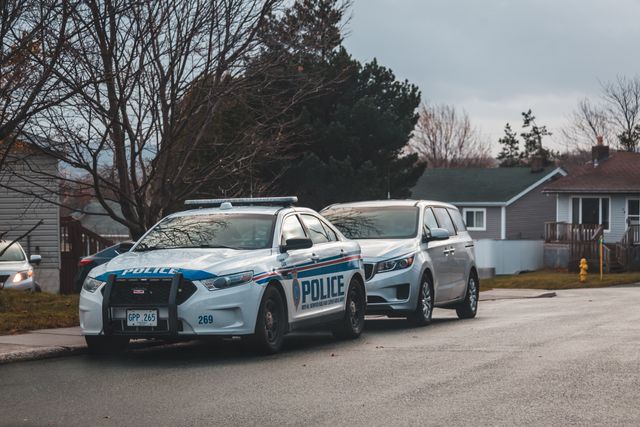
If they haven’t left when that window closes, the sheriff physically removes them and the landlord regains legal possession of the unit.
Only the sheriff can perform this removal. A landlord who changes the locks, shuts off utilities, or removes a tenant’s belongings before this point is committing a self-help eviction, which is illegal in Florida regardless of how much rent is owed.
Florida Eviction Timeline and Costs
An uncontested Florida eviction, notice through sheriff removal, typically runs three to six weeks. A contested case can stretch to two or three months. Filing fees, service fees, and court costs usually land between $185 and $500, and that’s before paying your attorney, which vary widely by firm and county.
Add lost rent during the process, cleaning and repair costs, and the make-ready work needed to re-rent the unit, and Gulf Coast landlords commonly see total eviction costs land somewhere between $5,000 and $15,000 by the time a unit is back on the market. That range is one reason tenant screening upfront matters as much as the eviction process itself.
Common Eviction Mistakes That Cost Landlords Time and Money
The most expensive mistakes are also the most avoidable. Serving a 3-day notice that includes late fees or improperly calculated rent. Skipping the notice step entirely and going straight to court.

Attempting a self-help eviction by changing locks or removing a tenant’s property, which can expose a landlord to statutory damages under Chapter 83 regardless of how clearly the tenant was in the wrong.
Filing in the wrong county. Serving notice incorrectly, such as leaving it in a mailbox instead of posting it on the door when hand delivery isn’t possible. Each of these resets the clock or opens the door for a tenant’s attorney to get the case dismissed.
Bottom Line
Florida’s eviction process is strict, and even a small procedural mistake can cost landlords significant time and money. Understanding the required notices, court procedures, and rules surrounding possession can help you avoid unnecessary complications.
For landlords who would rather not navigate the process alone, professional property management can provide ongoing support with the day-to-day responsibilities of owning a rental property, including helping you stay organized and prepared when tenant issues arise.
Frequently Asked Questions
How Long Does the Eviction Process Take in Florida?
An uncontested eviction typically takes three to six weeks from the notice period through sheriff removal. Contested cases with a court hearing often take two to three months. The exact timeline can vary depending on the county, whether the tenant responds, court scheduling, and whether there are procedural issues that require additional steps or delay the case.
What is a Florida 3-day Notice?
It’s the required written notice for nonpayment of rent, giving the tenant three business days to pay the exact amount owed in full before the landlord can file for eviction. Weekends and legal holidays are excluded from the calculation described in this article. Landlords should carefully verify the amount demanded and the required delivery method before serving the notice.
Can I Evict a Tenant Myself Without a Lawyer in Florida?
Landlords can file pro se, but Florida law is strict on notice wording, service methods, and court procedure. A single error can get the case dismissed and restart the clock. While legal representation is not necessarily required, landlords dealing with a contested eviction or complicated circumstances may want to consult a qualified Florida attorney before proceeding.
Is Self-Help Eviction Legal in Florida?
No. Changing locks, removing belongings, or shutting off utilities before a sheriff executes the writ of possession is illegal under Chapter 83, regardless of how much rent is past due. Landlords should allow the court process to run its course rather than attempting to physically remove a tenant themselves, even when the tenant has clearly violated the lease.
What Happens if My Tenant Doesn’t Respond to the Eviction Summons?
If a tenant doesn’t file a written response within five business days of being served, the landlord can request a default judgment for possession without a court hearing. The court must still process the request and enter the appropriate judgment before possession can be recovered. If a default is entered, the next step is generally obtaining the writ of possession.
Disclaimer: Please note that the information provided in this blog is intended for general guidance and should not be considered as a replacement for professional legal advice. It is important to be aware that laws pertaining to property management may change, rendering this information outdated by the time you read it.